MB&F

Don't hesitate to ask for any additional information, Alex is ready to assist and guide you in your decision
DETAILS
Maximilian Büsser, founder and head of the MB&F brand, was previously best known as the originator of the Opus project of Harry Winston Rare Timepieces, the watch division of Harry Winston, which he headed as CEO from 1998 to 2005. With the same idea of watches full of creativity and allusions, he also develops the MB&F collection and has now achieved much greater fame as the driving force behind this brand, while the Opus project has fallen into oblivion due to the apparent inability and unwillingness of the current owners to run this type of watch business. MB&F, on the other hand, is developing dynamically and showing the fruits of prosperity in design. The release of many versions of the MB&F Horological and Legacy Machines have been discontinued or produced as limited editions, making collecting “Machines” and other MB&F editions increasingly attractive on the highly competitive secondary market.
REASONS TO BUY
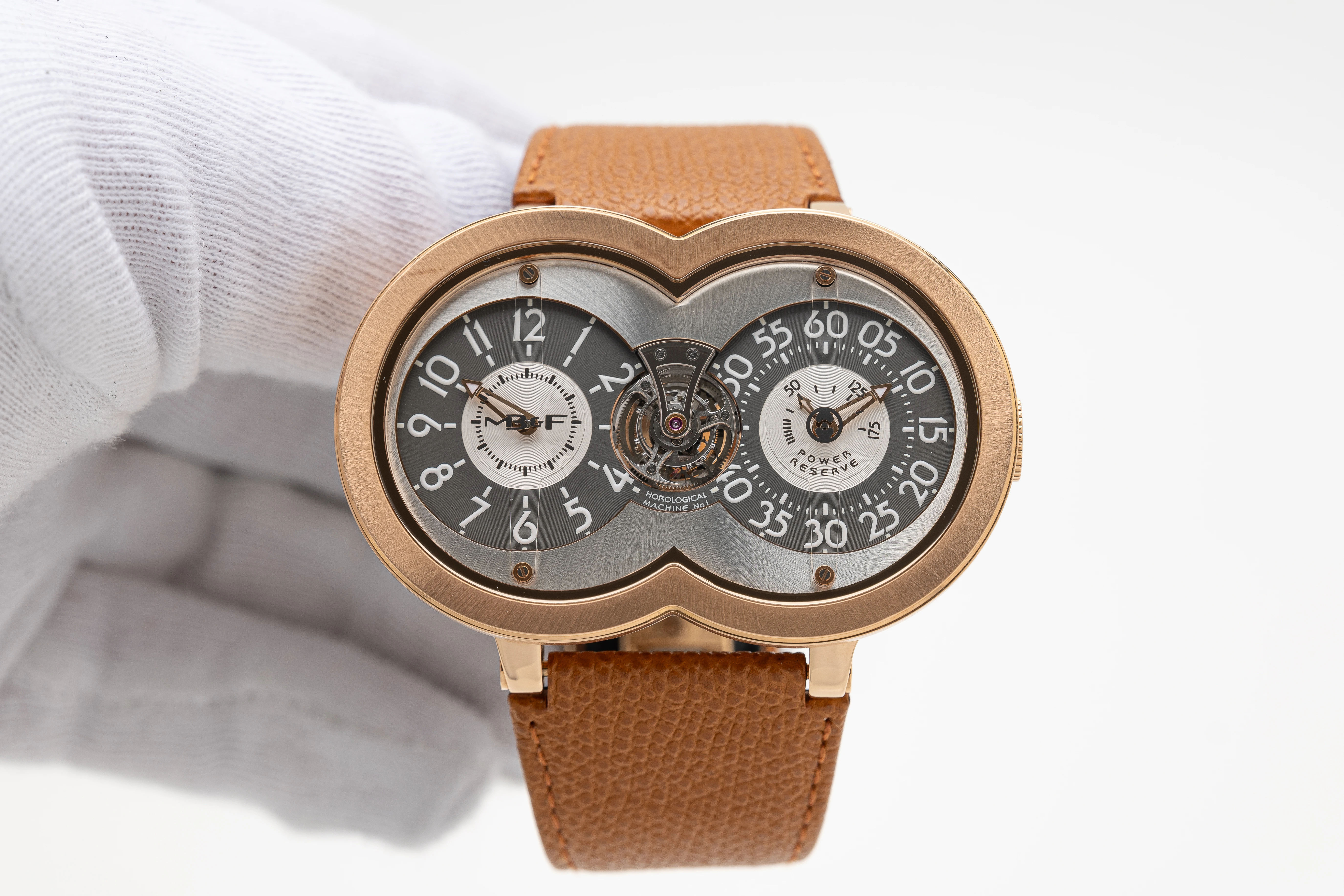
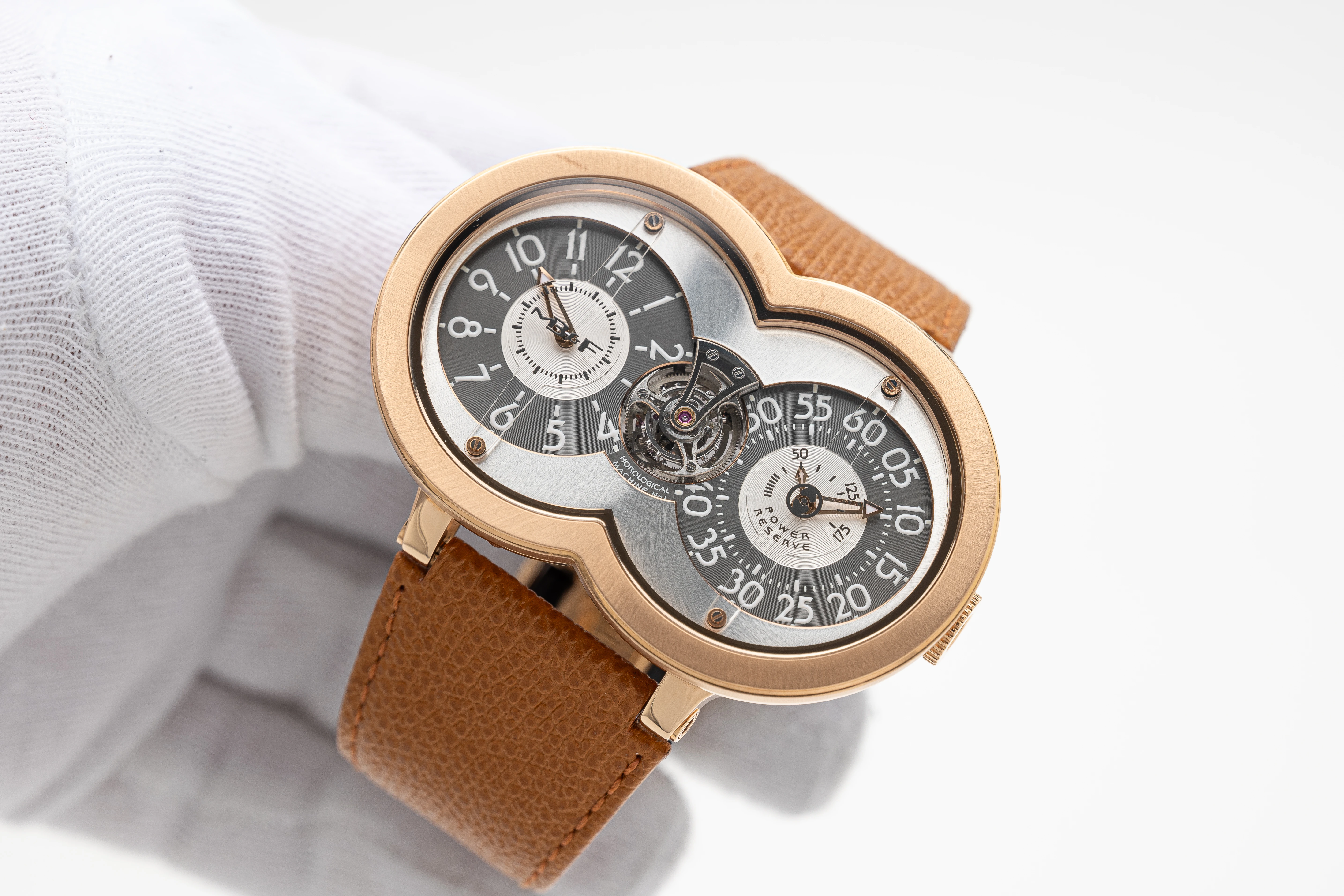
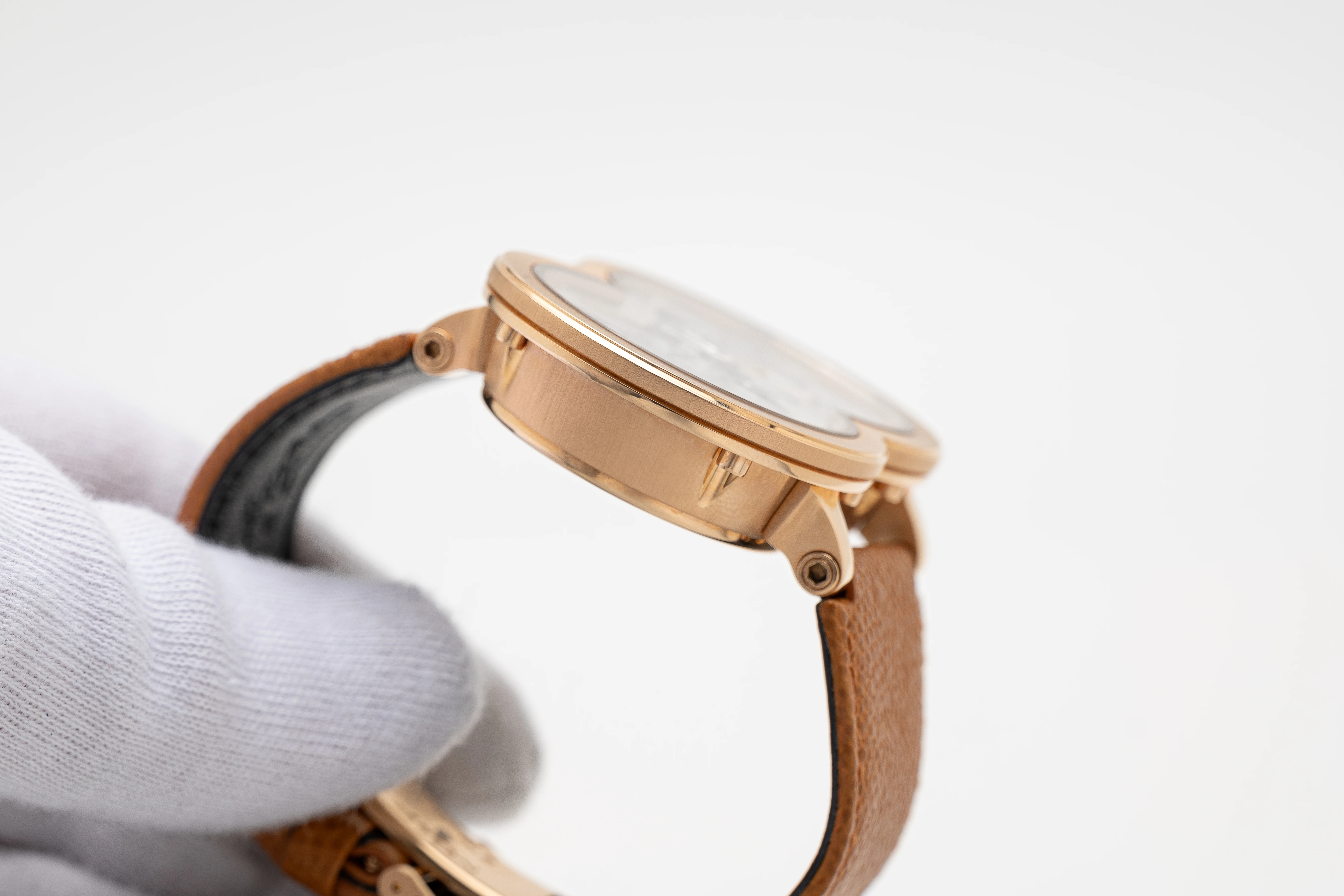
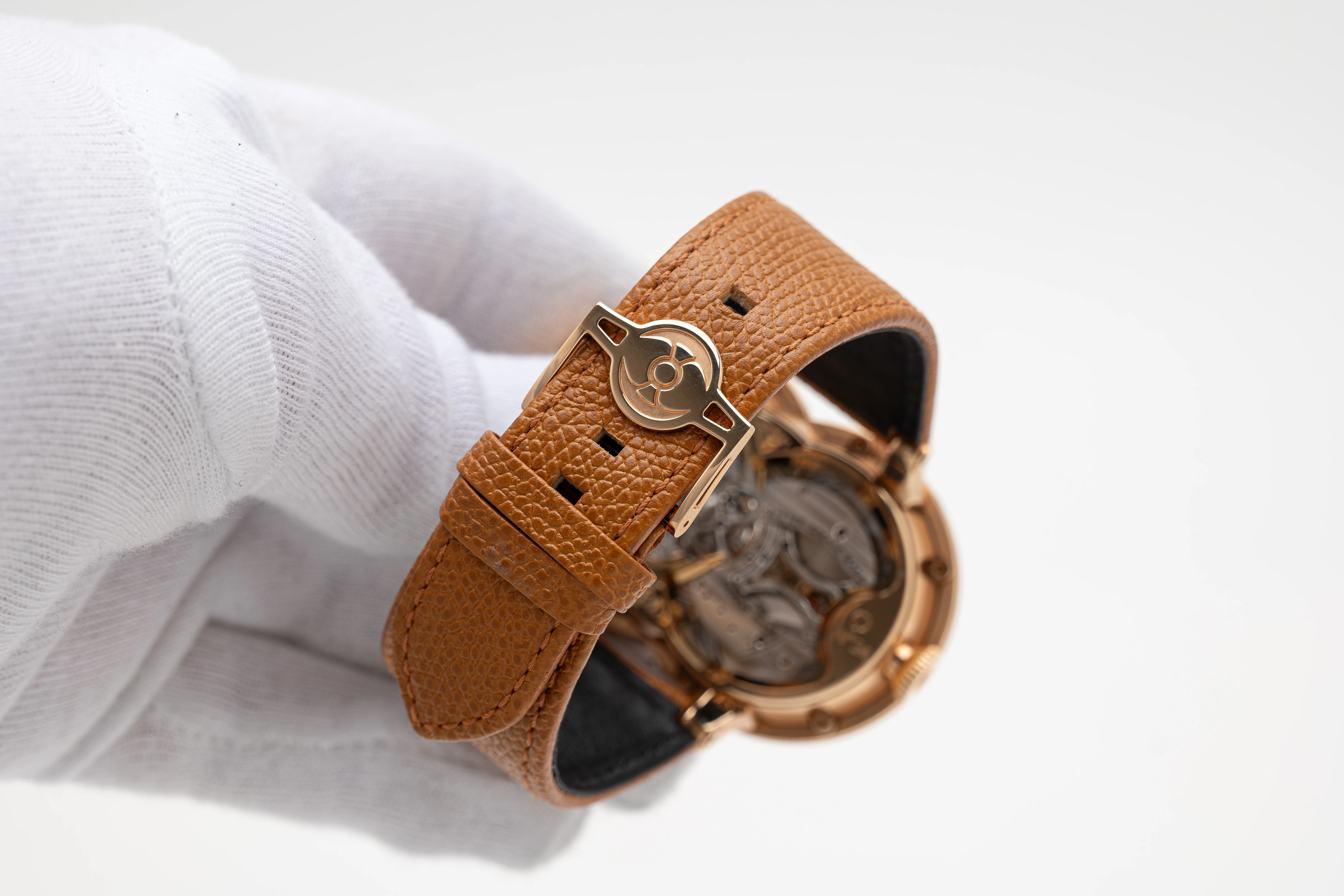
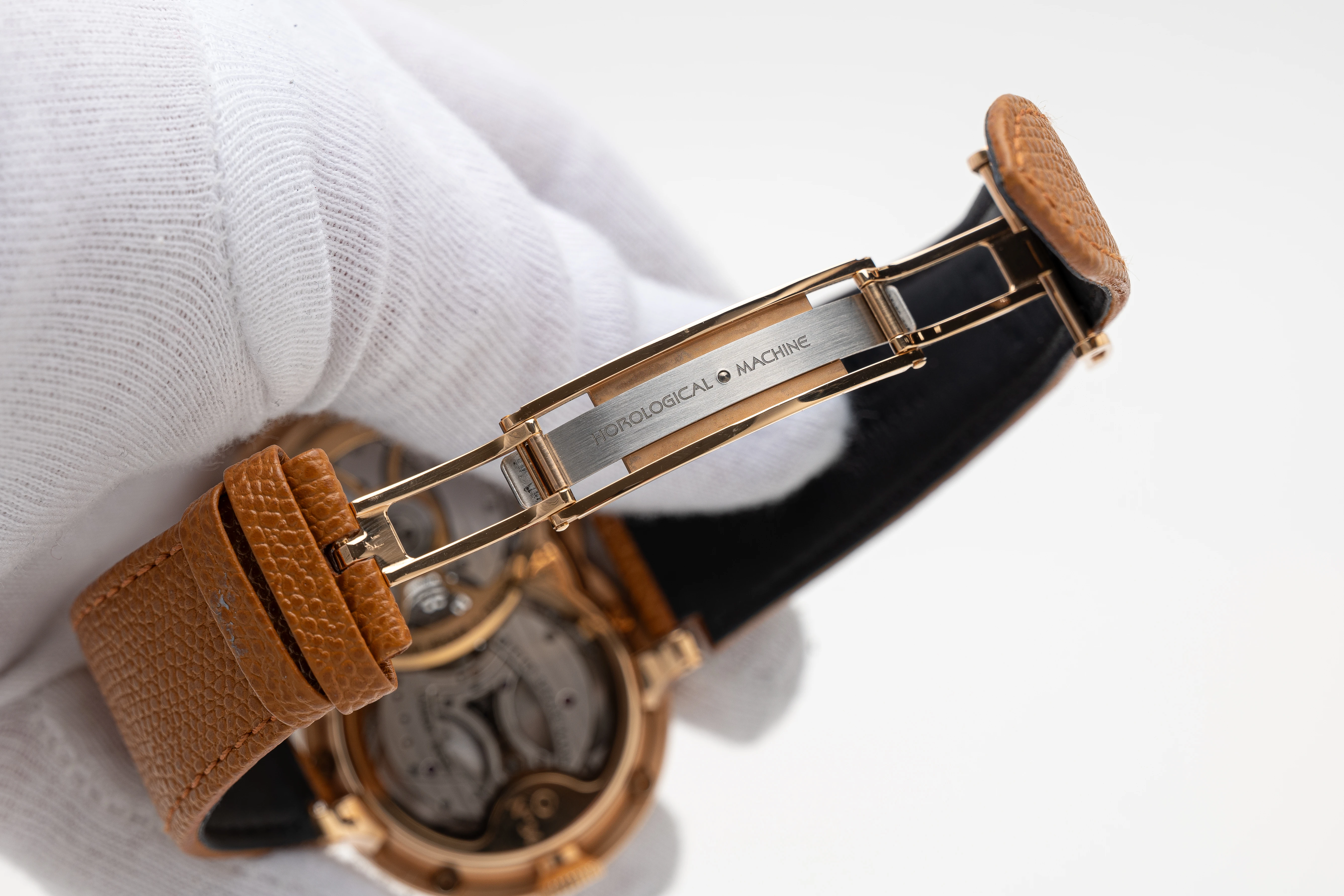
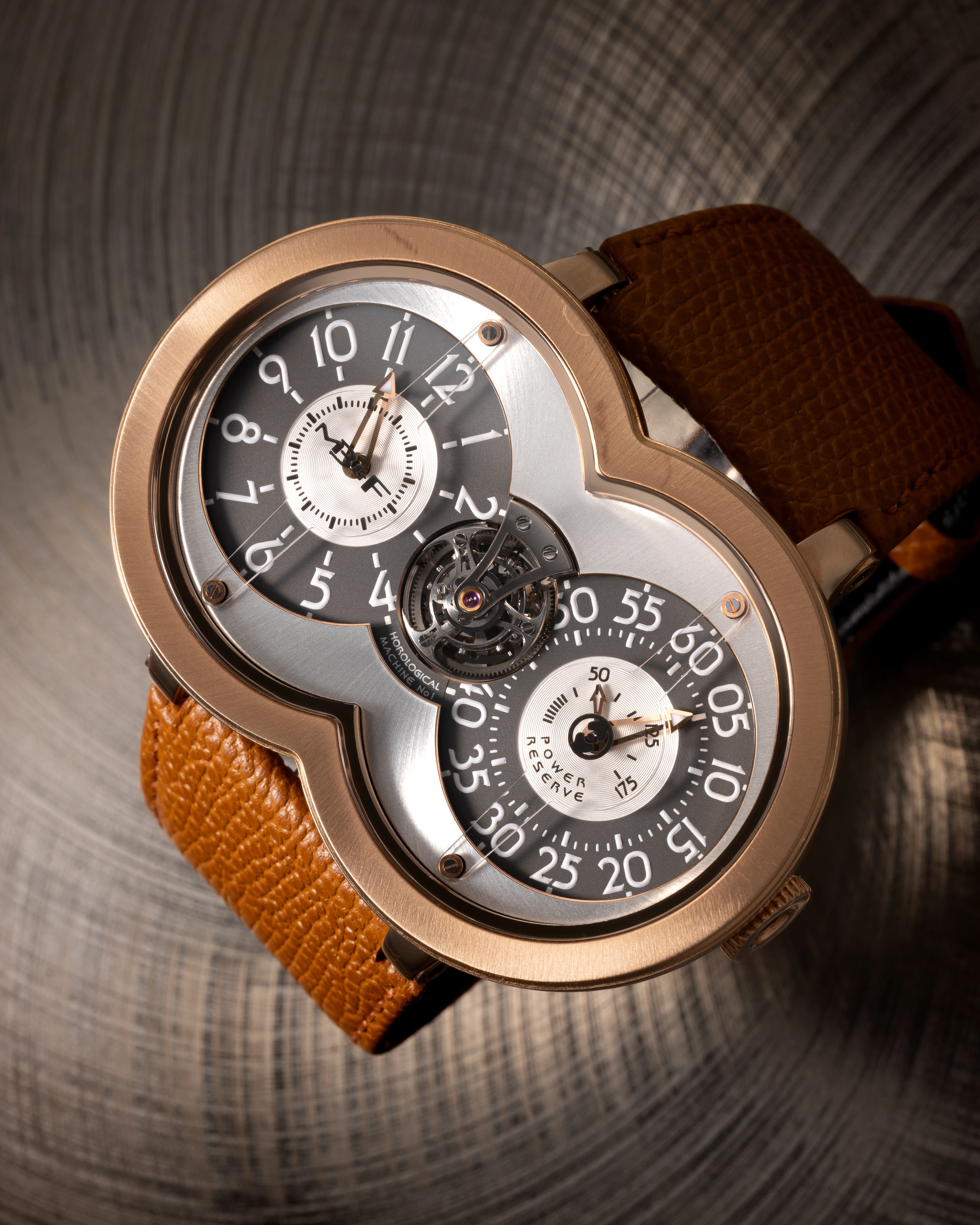
The MB&F Horological Machine No.1 ‘The Genesis’ Ref. 10.T41RL.S in rose gold is today considered both the cornerstone of the MB&F project and a test of the brand’s concept, which is largely based on the friendly relations between founder Maximilian Büsser and the professionals who work with him. For the MB&F brand and its fans, this is of course a historically important watch that has set the bar very high from the outset – both in watchmaking and in the exceptionality of its technical concept and design. Of the HM1’s total production run of 100 pieces, 25 are dedicated to this reference. The Horological Machine No.1 is very rarely offered on the secondary market, which not only testifies to its rarity, but also to the fact that the owners of these very first Horological Machines are in no hurry to part with them, which is why the appearance of this model on the market is a remarkable event.
ABOUT THIS WATCH
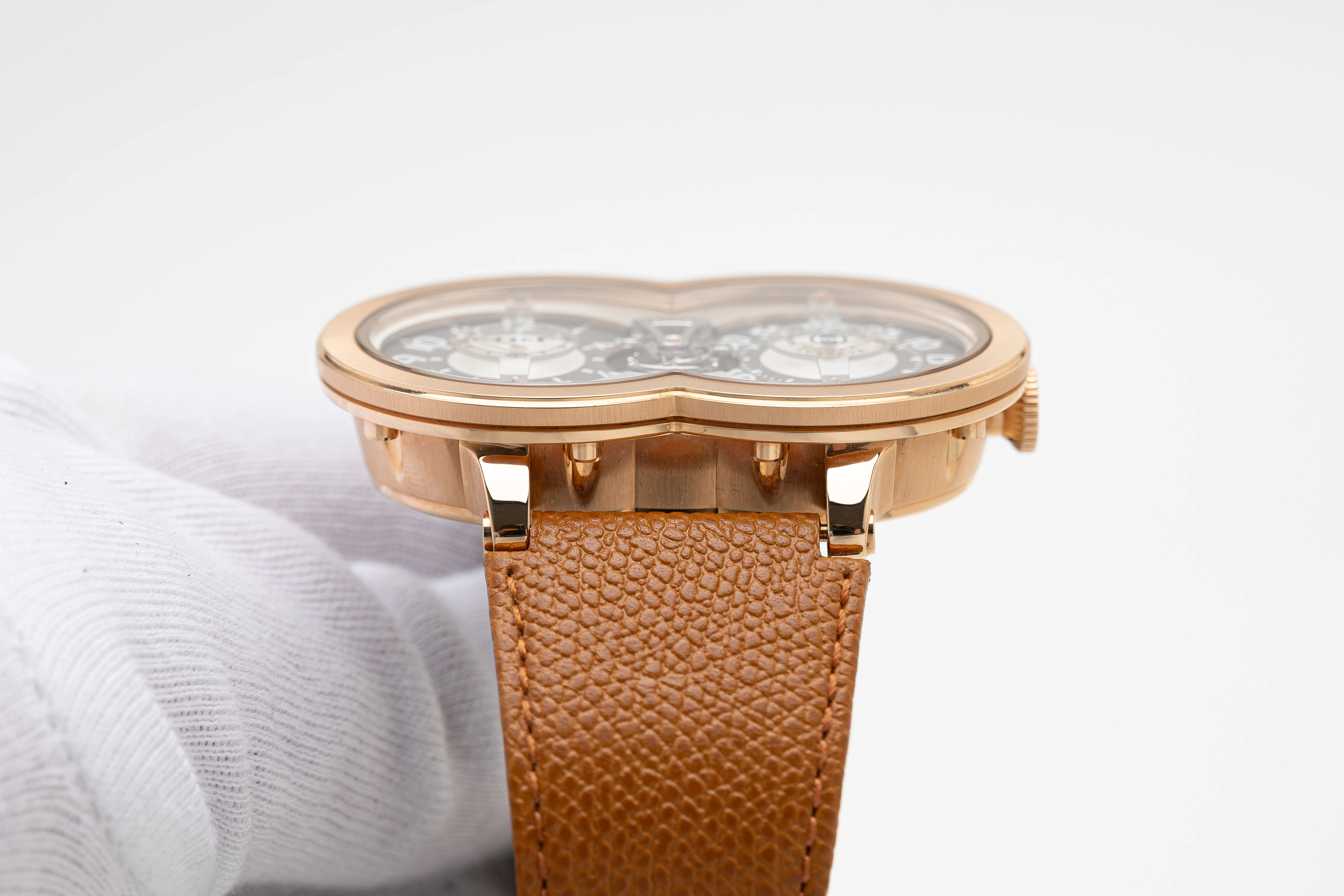
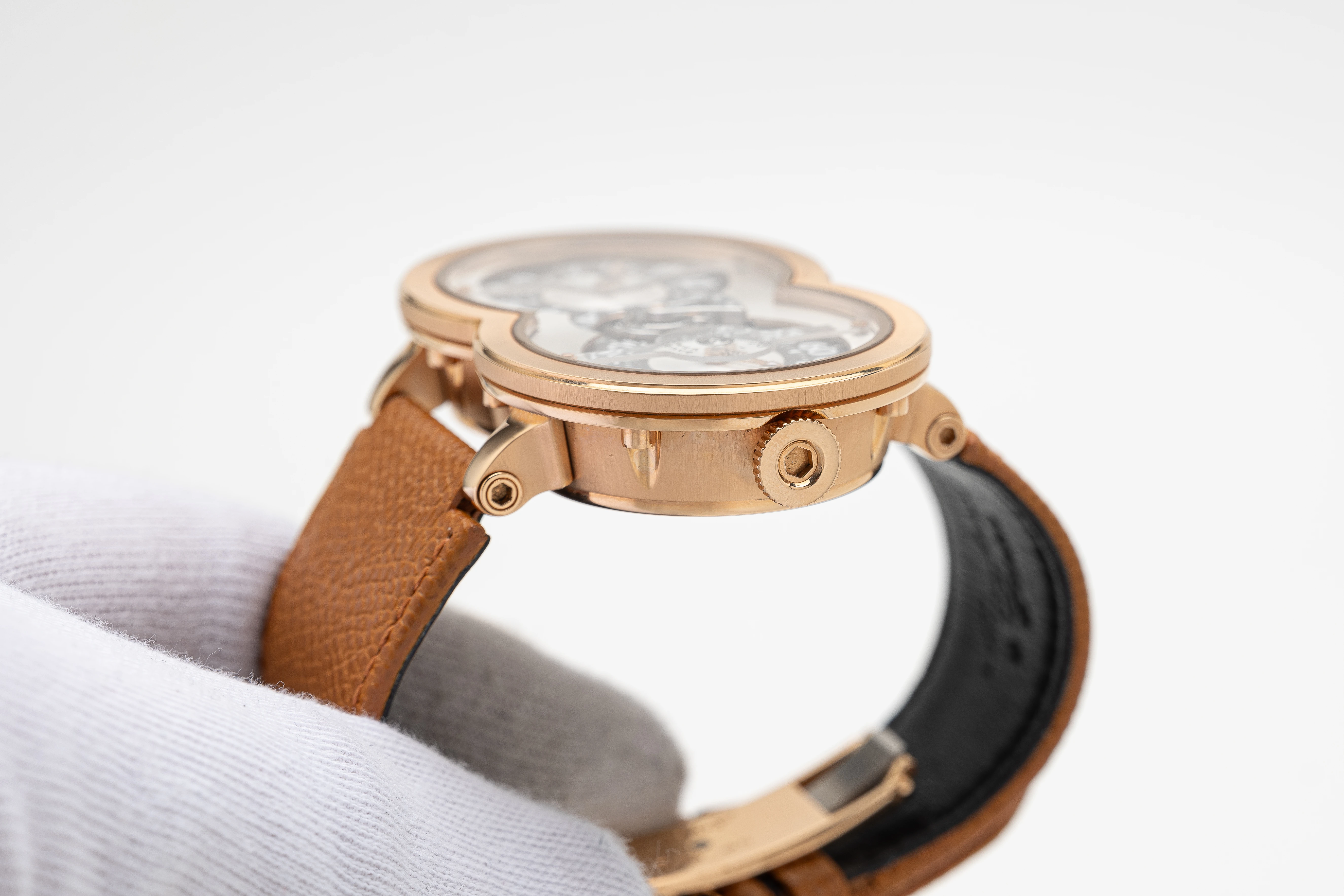
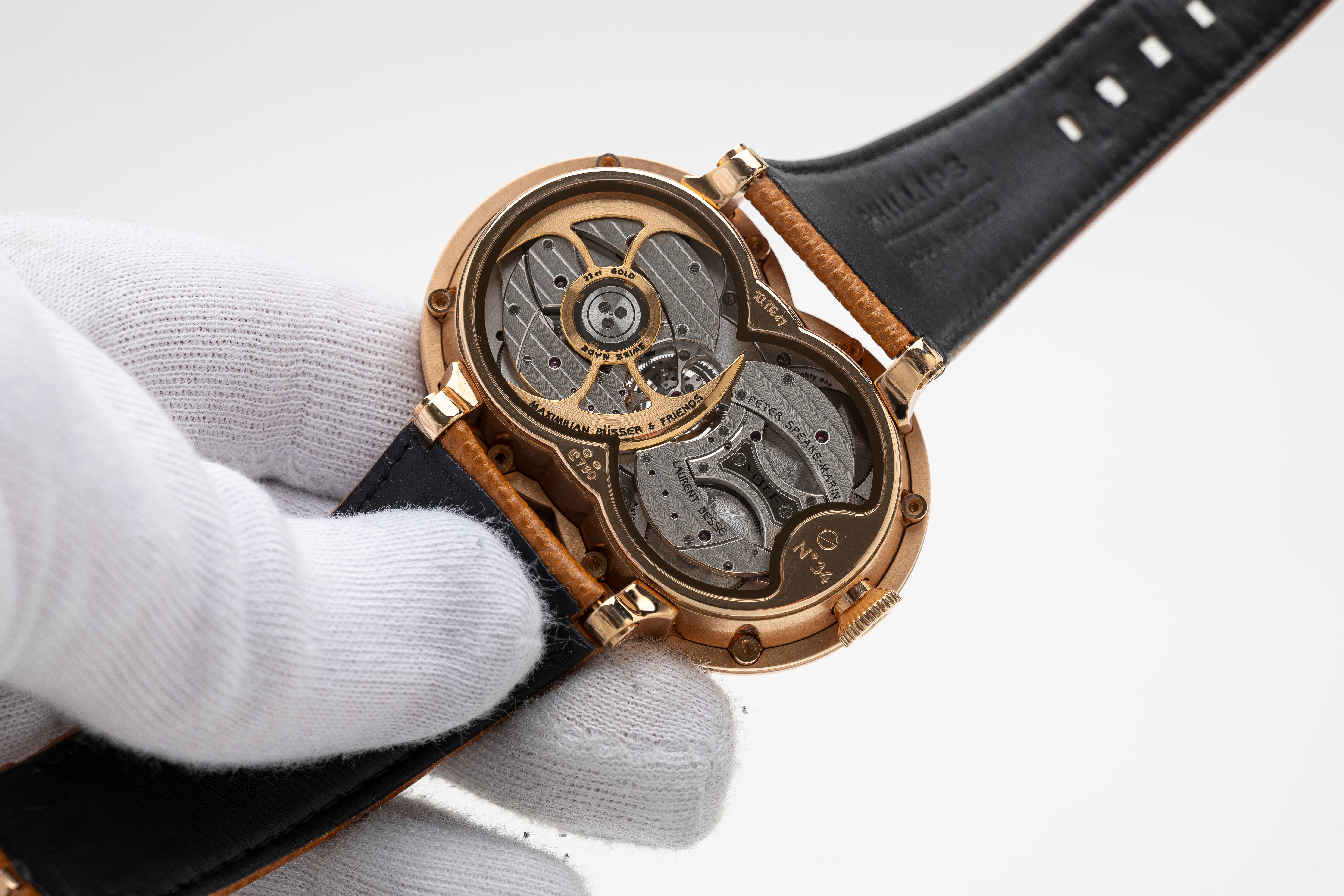
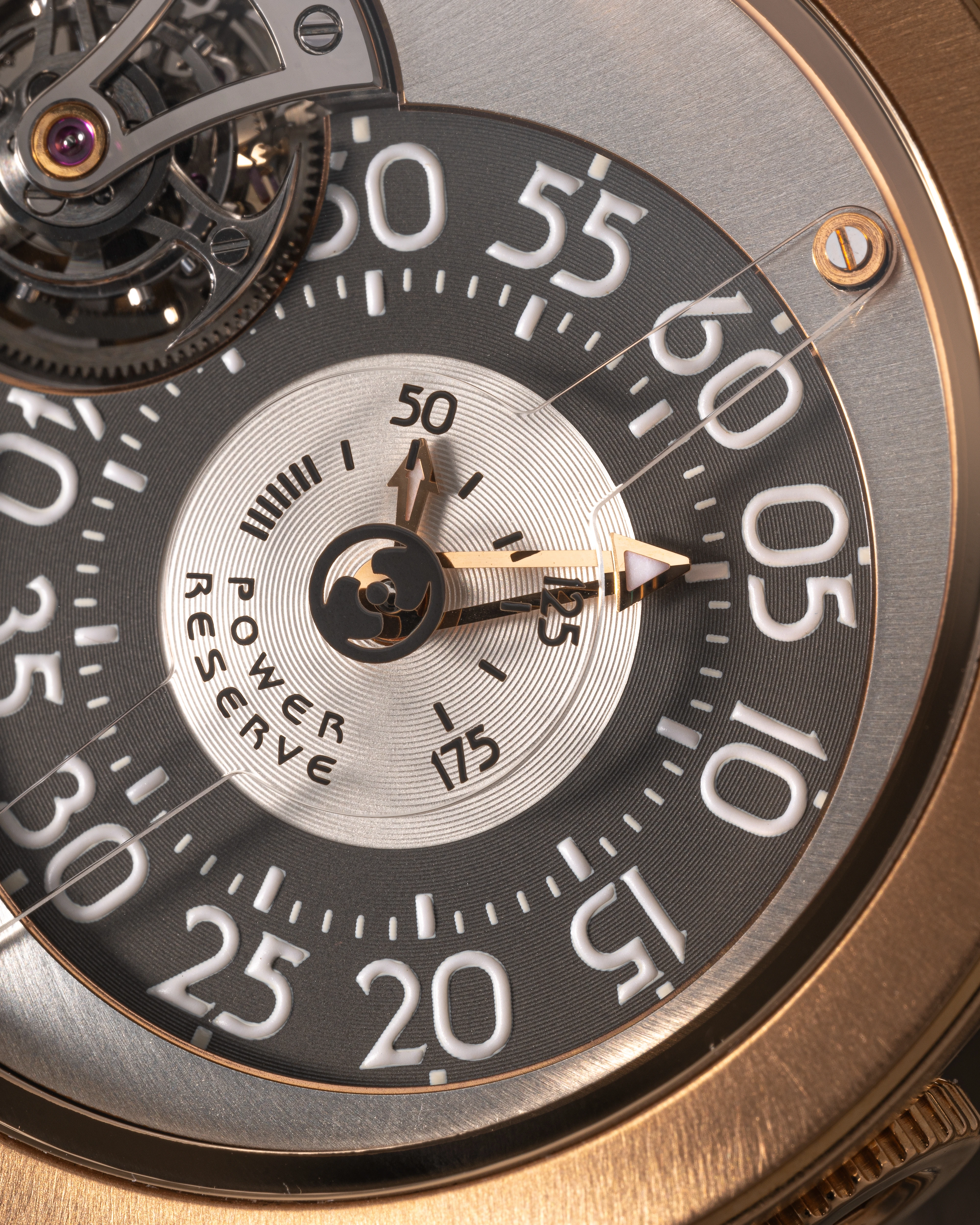
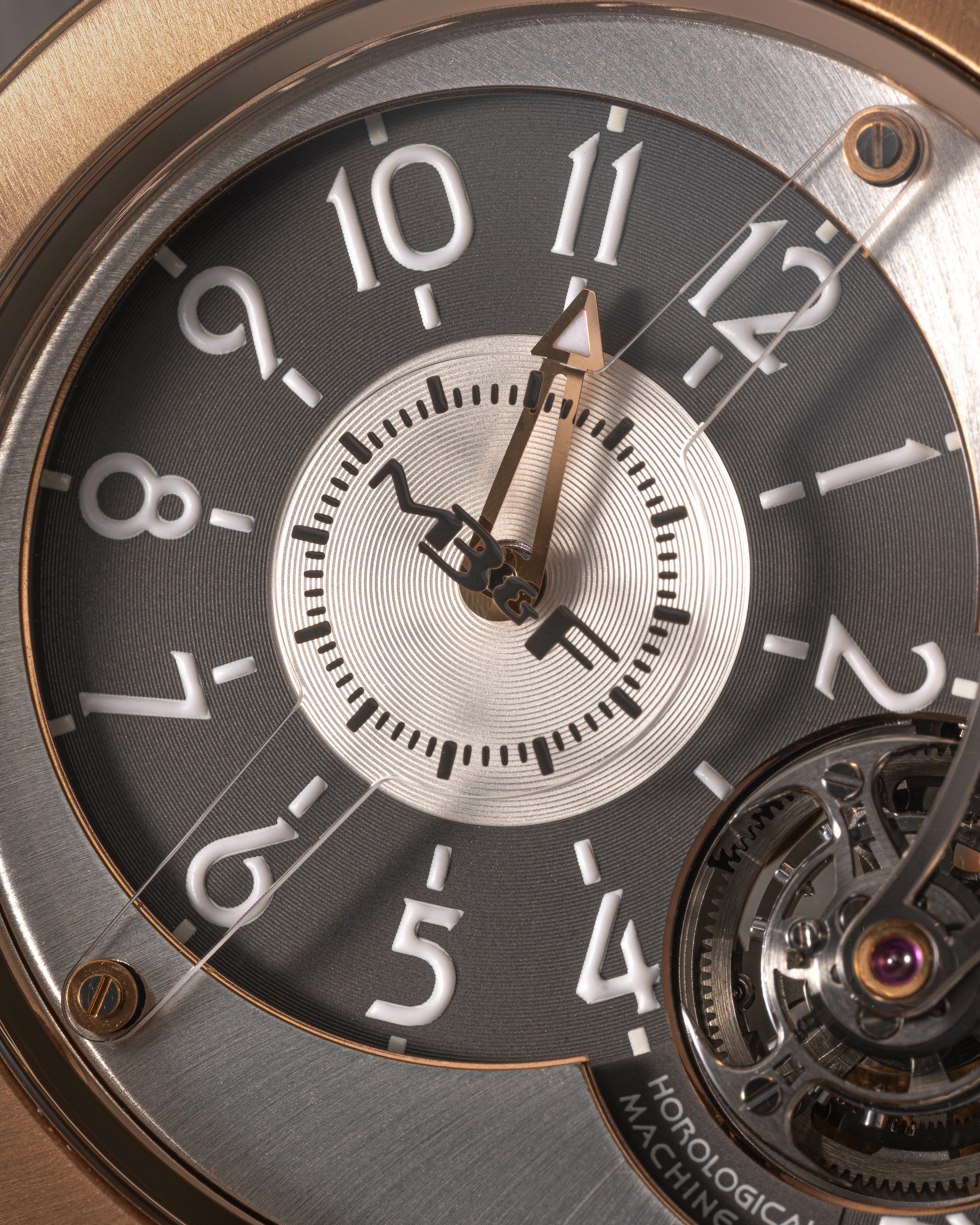
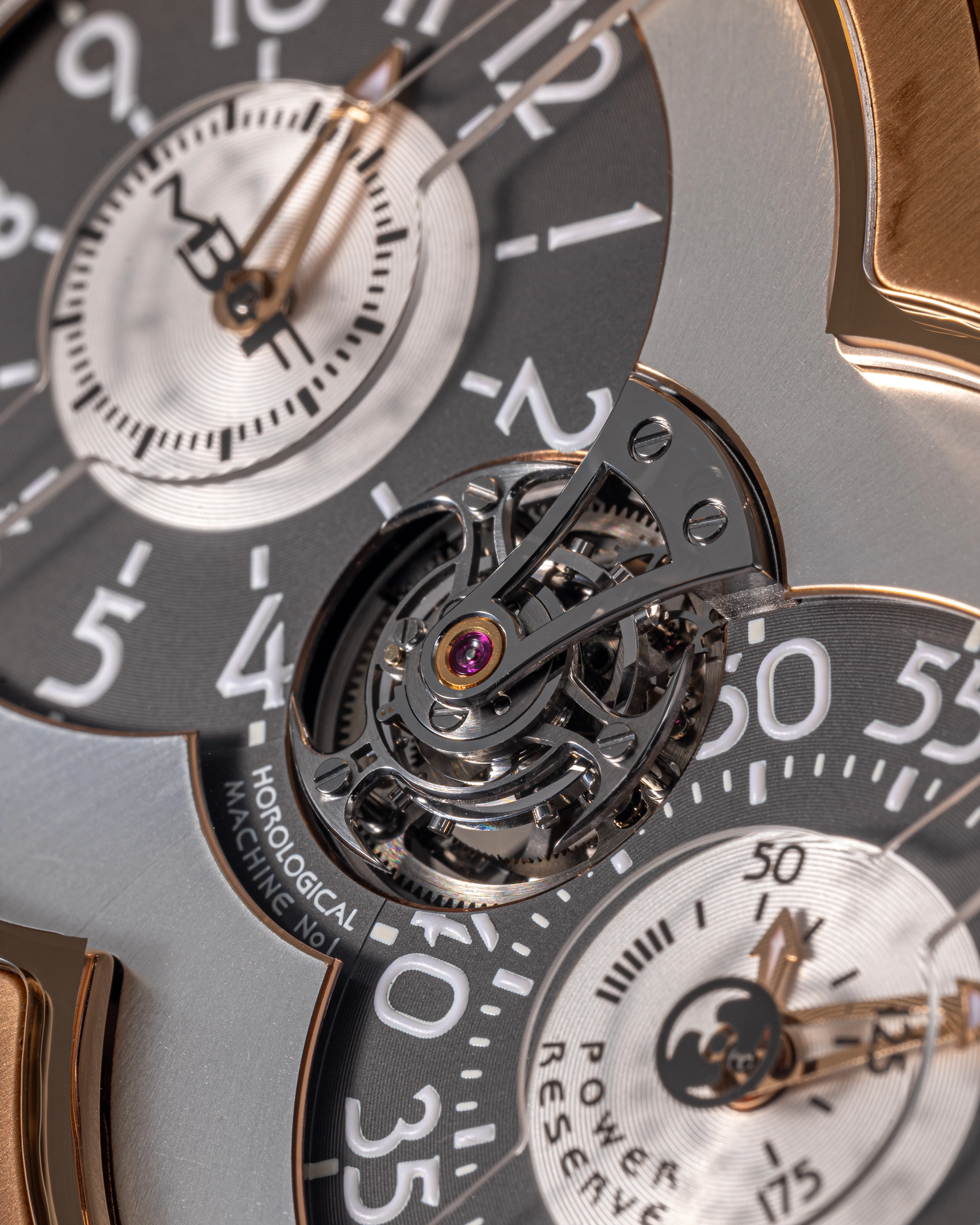
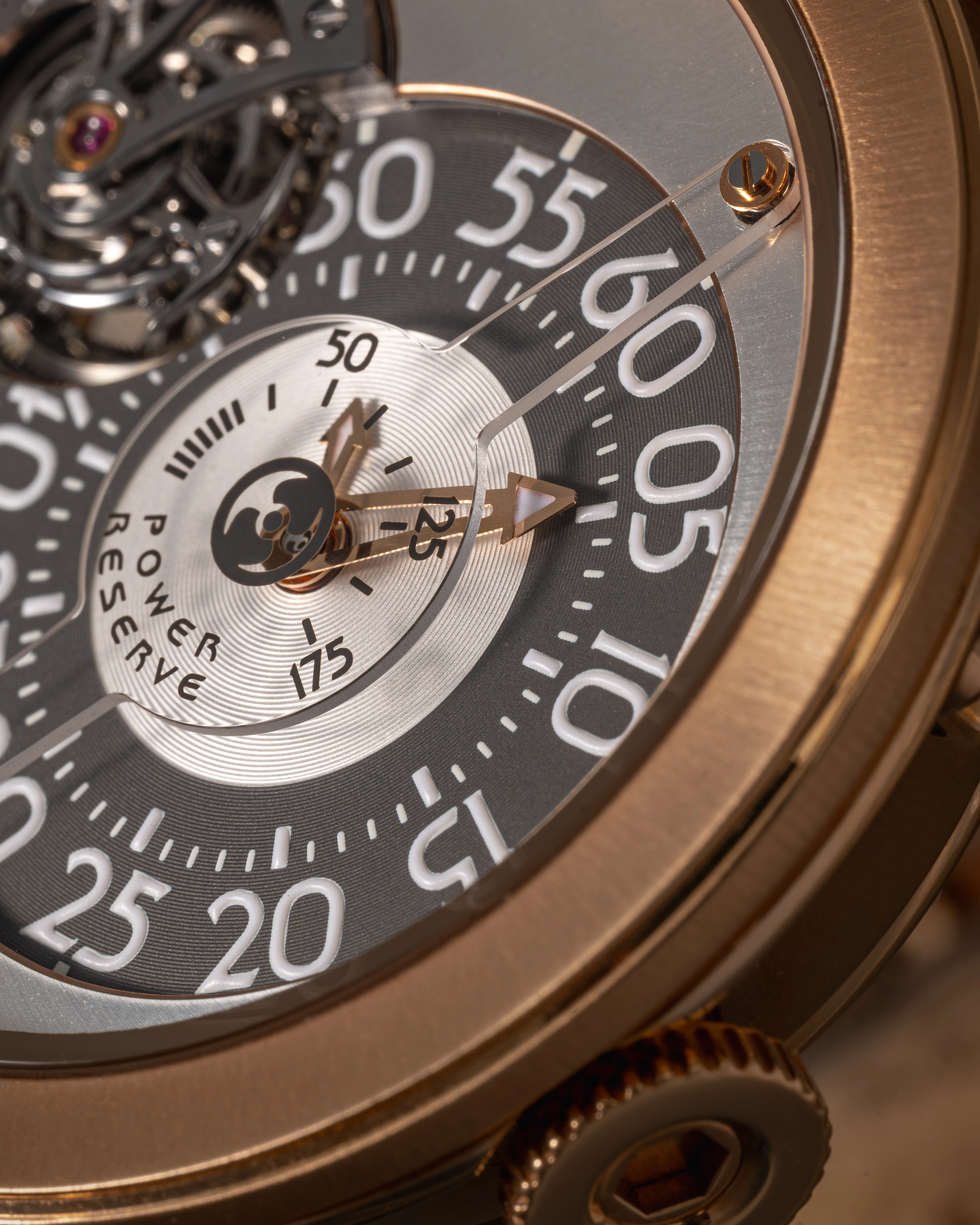
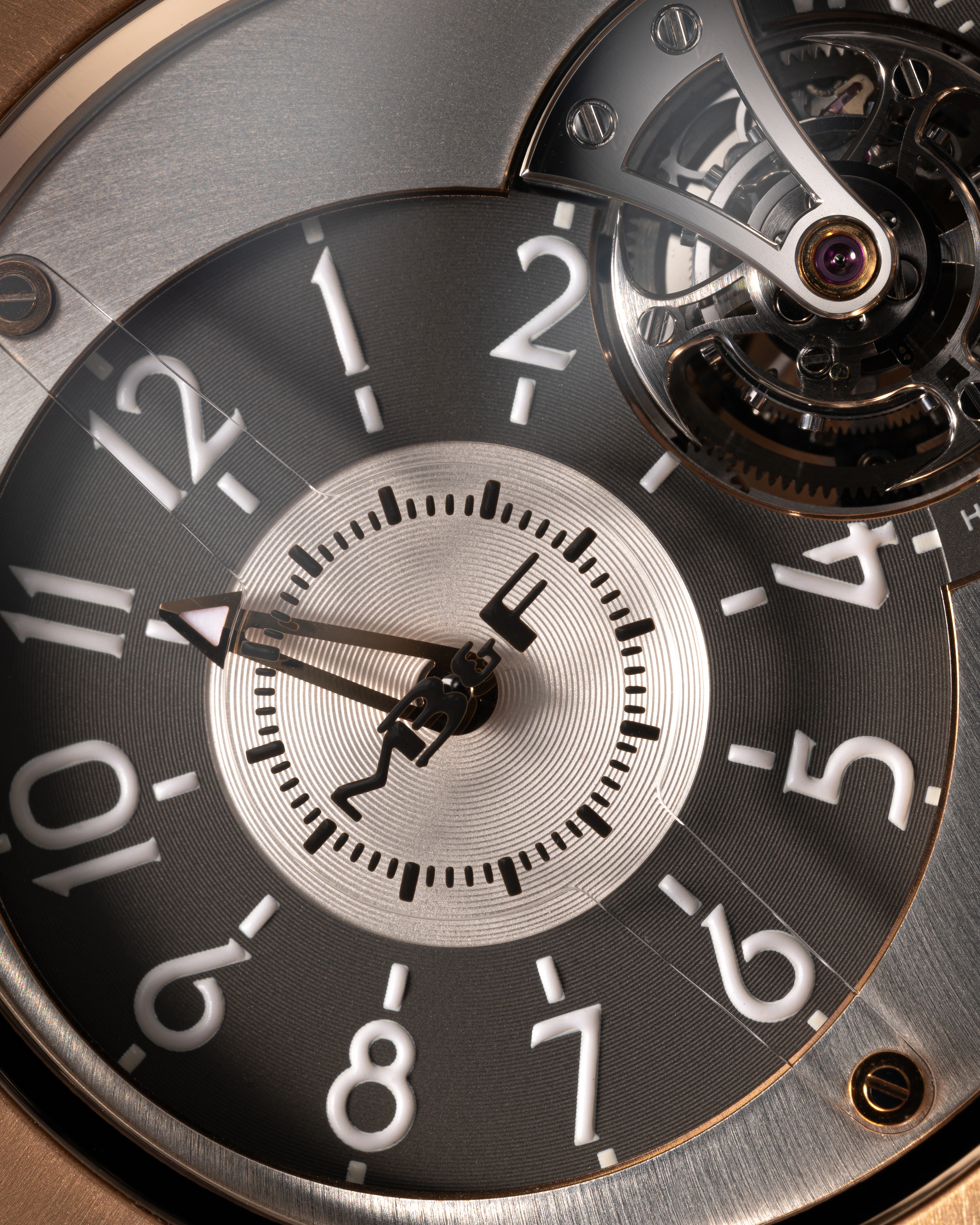
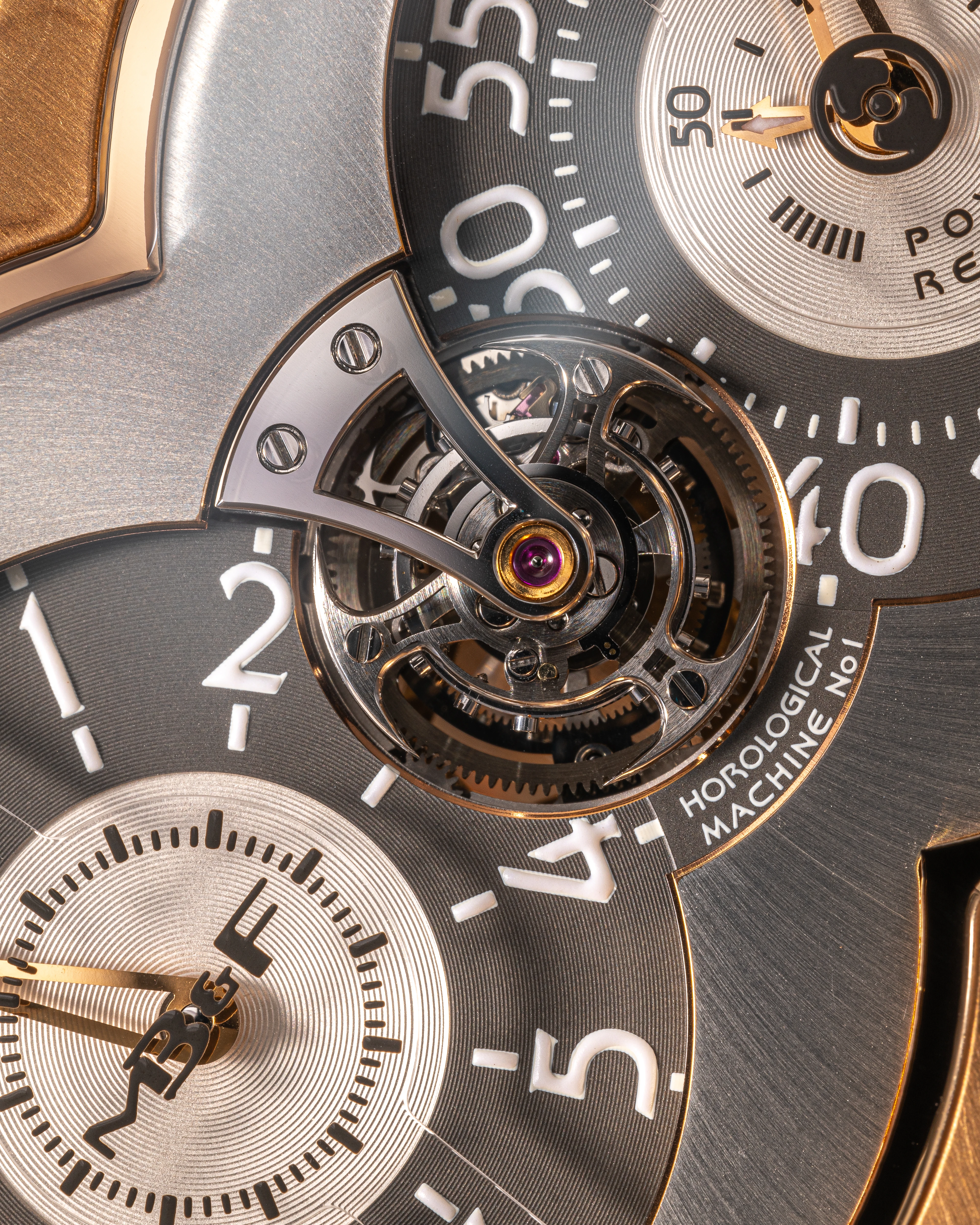
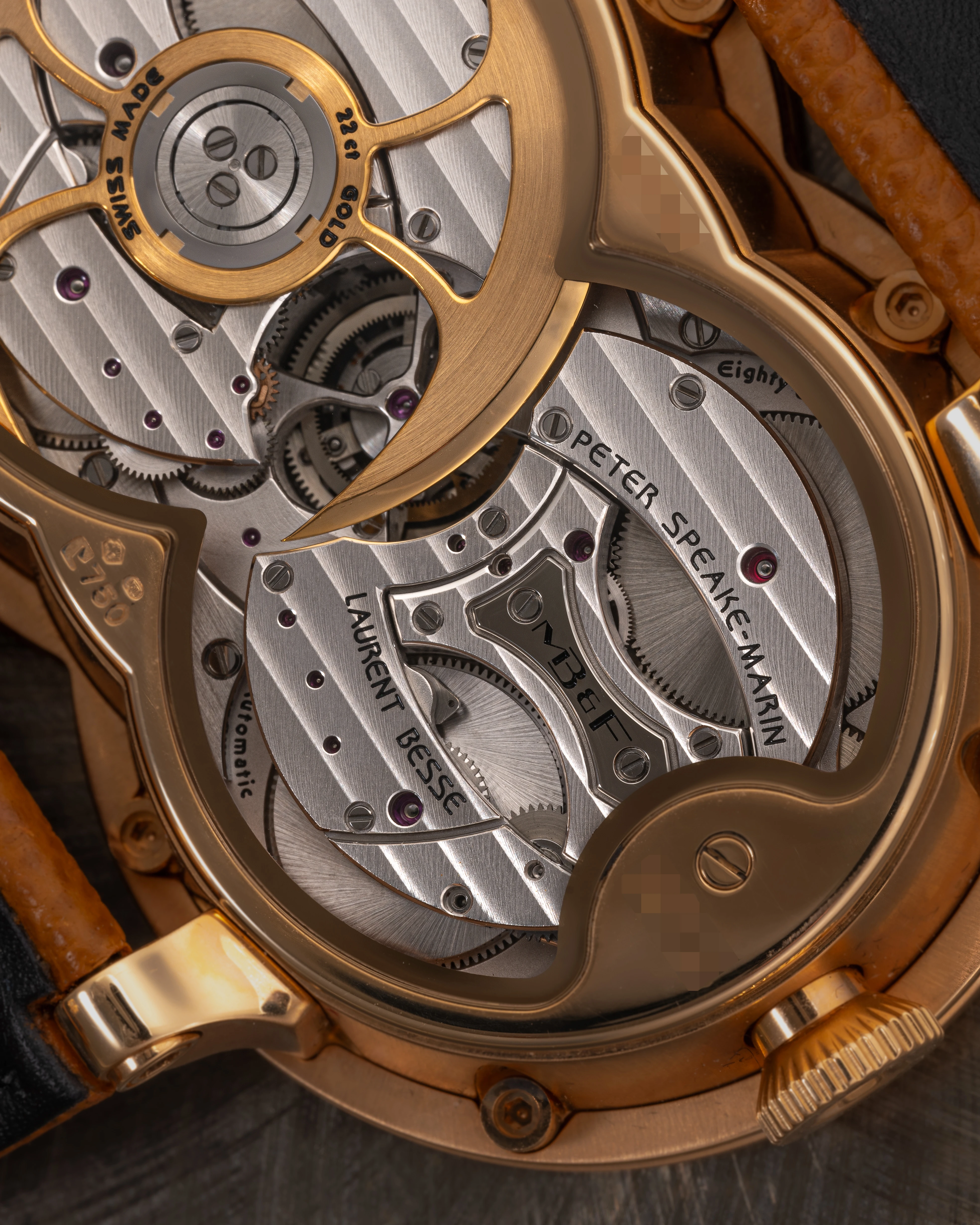
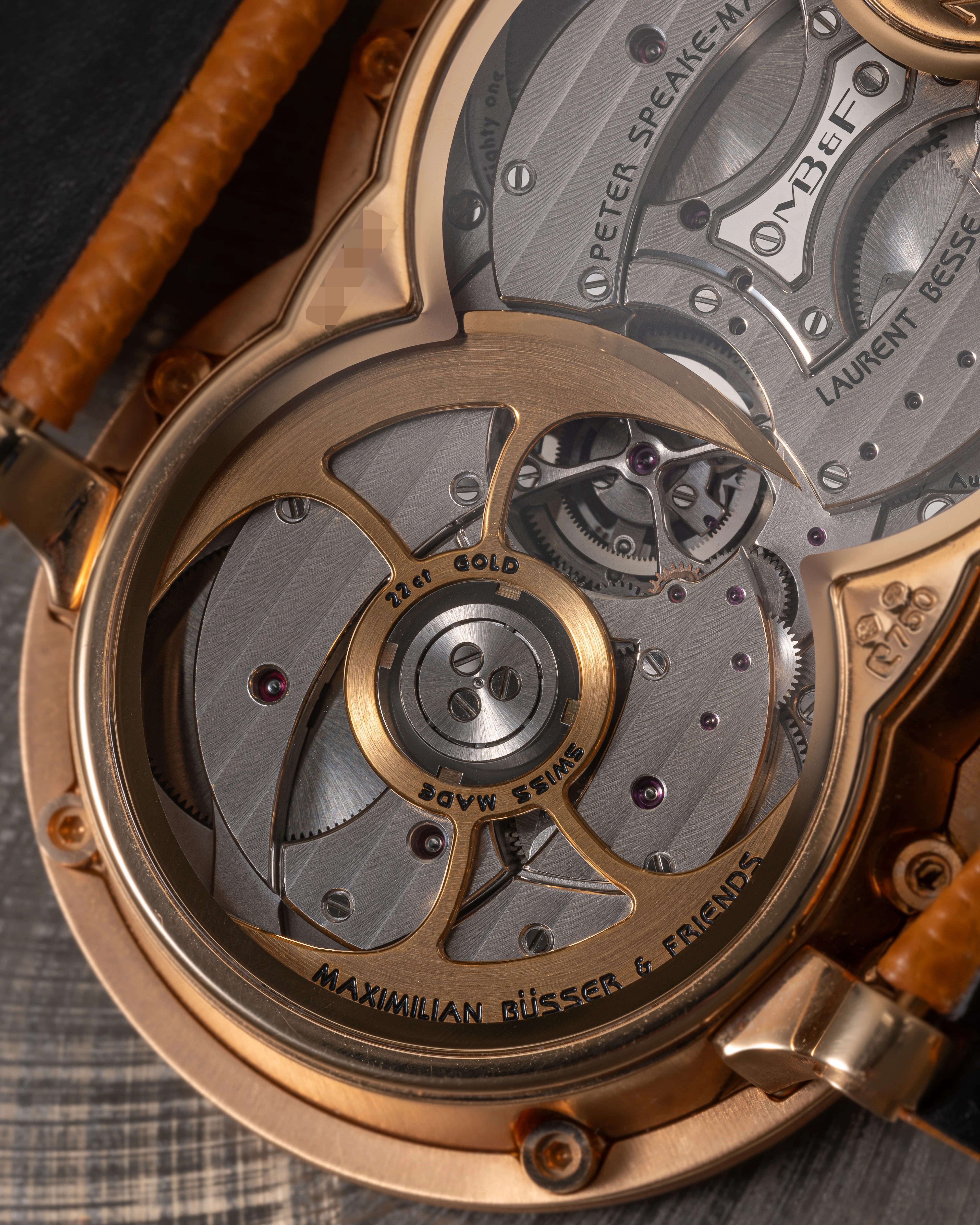
This was one of the most interesting premieres at the end of 2006. Maximilian Büsser, the former head of Harry Winston’s watch department, left his post to try to start his own watch brand. He decided to do this not with business partners, but with his friends, and called it Max Büsser & Friends – MB&F. Büsser, who had already worked extensively and successfully with the best independent watchmakers in Switzerland on the Opus project for Harry Winston, enlisted their support, among others. For the development of the first edition of the Horological Machine, he brought Laurent Besse and Peter Speake-Marin on board – the latter did not get the chance to produce his Opus, and his Excenter Tourbillon ended up in Harry Winston’s regular collection. What could we expect from Maximilian Büsser? “Opus.” And that’s exactly what we got. The Horological Machine No. 1 is an unusually shaped watch in the form of a horizontal figure eight or “double bubble”, or an infinity symbol if you will, with hour and minute hands arranged like a regulator and a tourbillon in the middle. The most unusual feature of the movement is the four parallel winding barrels with low tension. From a technical point of view, this is the biggest departure from the generally accepted trends in movement design. Nowadays, the barrels are usually connected in series to increase the power reserve, which is associated with a high tension. Many manufacturers avoid talking about this issue, but the higher the tension, the faster the parts wear out, especially those that draw power from the mainspring barrel. In fact, in the HM1 watch, Peter Speake-Marin has realized a new version of the design he had previously used in the first pocket tourbillon Foundation Watch of the Speake-Marin brand he founded: in it, the tourbillon rotor is set in rotation by a force applied symmetrically from both sides. Two of the four barrels of the HM1 are wound automatically, the other two by the crown. The tension of all four is immediately balanced by a special wheel system. The entire construction offers a power reserve of one week. The power reserve indicator is located under the minute hand on the right-hand side of the dial. The HM1 even features MB&F’s signature 22k gold battle-ax rotor, which can now be found in all of the brand’s automatic models. The list of unusual technical solutions continues with the suspended central wheel surrounding the tourbillon – it is mounted on ruby rollers and serves as a mechanical link between the hour and minute hands, which are located on opposite sides of the tourbillon, which is set into the central part of the dial. Maximilian Büsser commissioned Dimier 1738 (ex-STT and ex-Progress Watch) to supply the movement components. The watch was assembled and adjusted by Peter Speake-Marin.

Specifications
| D= | 41x64mm |
| Glass | Sapfire glass |
| Dial | Semi-skeletonised> |
| Case material | 18k pink gold |
| Year | 2007 |
| Movement | Automatic |
Condition report
| Box: | Yes |
| Papers: | Yes |
ADDITIONAL PHOTOS: