Audemars Piguet

Don't hesitate to ask for any additional information, Alex is ready to assist and guide you in your decision
DETAILS
The history of this watch began in the early 1900s, when Audemars Piguet developed a series of small minute repeater movements and launched minute repeater wristwatches based on these calibers in 1906, with a characteristic cushion-shaped case, usually made of 18k gold. There are beautiful examples with a dial featuring applied Breguet Arabic numerals, “cathedral” hands and an outer “railroad” minute track. This traditional yet modernist design prompted the American industrialist John Wallace Schaeffer to first buy such a model and then order an adaptation from Audemars Piguet with the letters of his name John Schaeffer as applied indices for the chapter ring. The revised watch was delivered to the customer in 1927, only to be auctioned many years later in 1989 and end up in the Audemars Piguet Museum collection. The historic Schaeffer watch inspired Audemars Piguet to create the Répétition Minutes John Schaeffer collection in 1994-1999, which includes at least 9 basic references and about thirty variations, most of which were limited editions, while some were one-offs and rarely unlimited series, although production was very limited and did not exceed 30–50 pieces. The Audemars Piguet 20th Century Complicated Wristwatches book documents the production and sale of 208 pieces of the Répétition Minutes John Schaeffer in platinum, yellow and rose gold, titanium and even stainless steel.
The basic part of the collection consisted of “simple” watches – with minute repeaters only and with hour, minute and small seconds hands, with a solid dial or an openwork design. More complex models were given a jumping hour complication, a wandering hour complication (Audemars Piguet calls it Star Wheel); both complications were offered in two versions – with an open dial or with a solid cover over the dial and an aperture display. The most complicated model is the John Schaeffer watch with a perpetual calendar. Finally, perhaps the most exotic designs are some rare models with military-style dials.
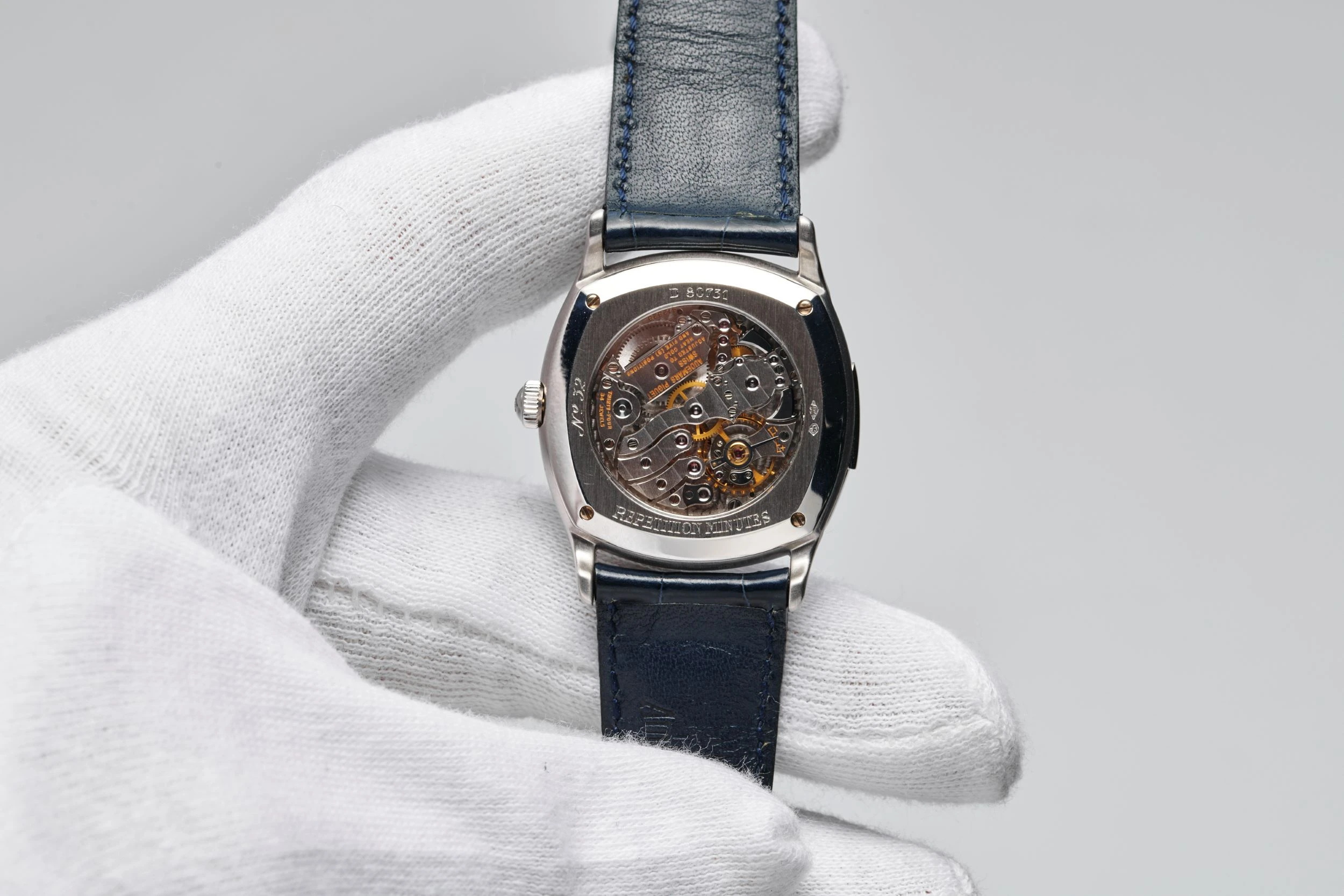
The Répétition Minutes John Schaeffer watch uses the 10-ligne (22 mm diameter) minute repeater caliber 2866, which was developed between the late 1980s and 1992 by the movement manufacturer Renaud et Papi (now owned by Audemars Piguet) and was the same size as the historical prototype from the early 1900s. In addition, Giulio Papi, the director and chief designer of Renaud et Papi, has recreated in the caliber 2866 the pleasing, harmonious shapes of the bridges of the historical movement and the long, straight-line click of the winding barrel, a typical feature of the high-end calibers from the Vallée de Joux, an invention of the watchmakers of LeCoultre. The caliber 2866 is remarkably small, as its diameter of 22 mm is one of the smallest for a minute repeater in the history of watchmaking.
REASONS TO BUY
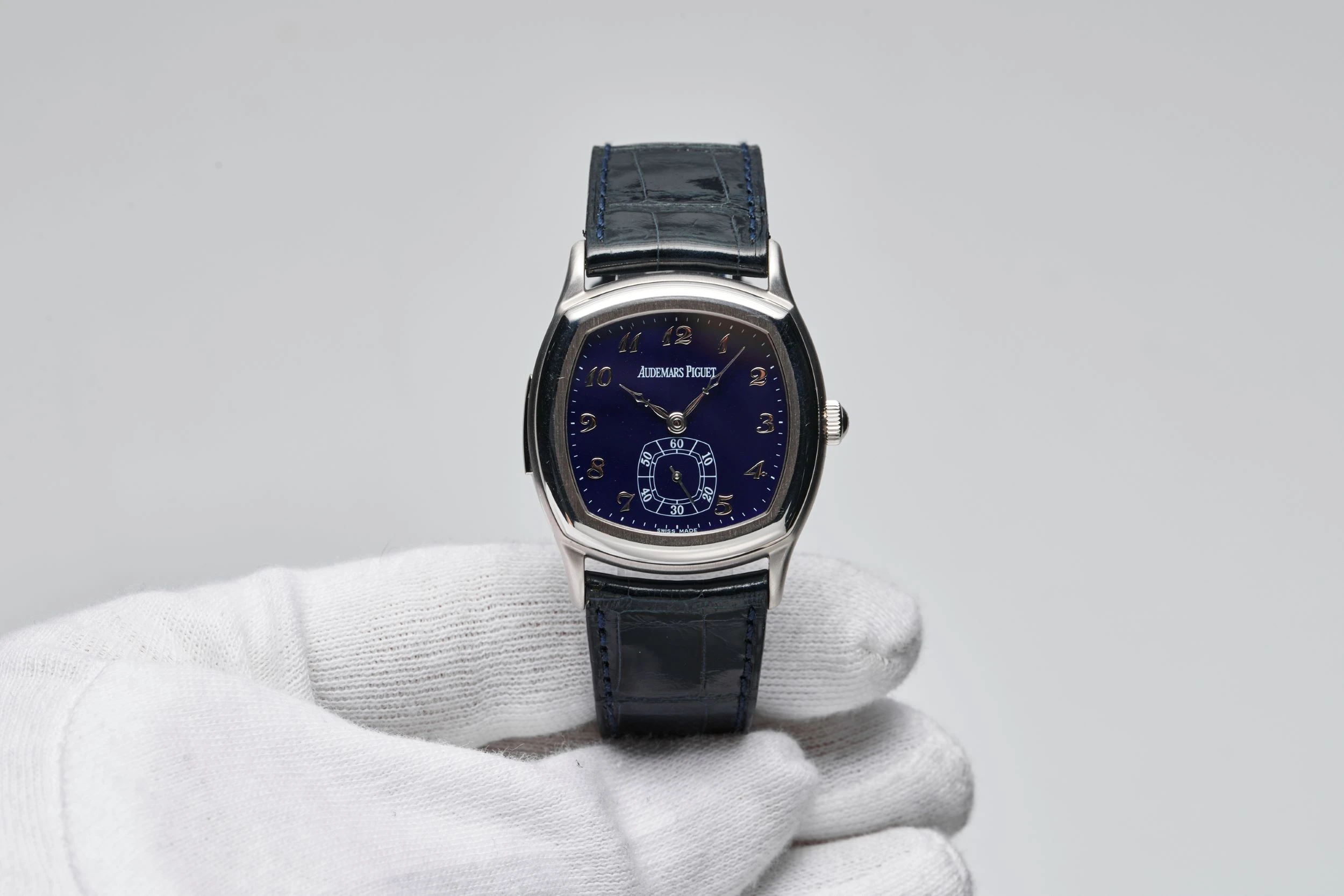
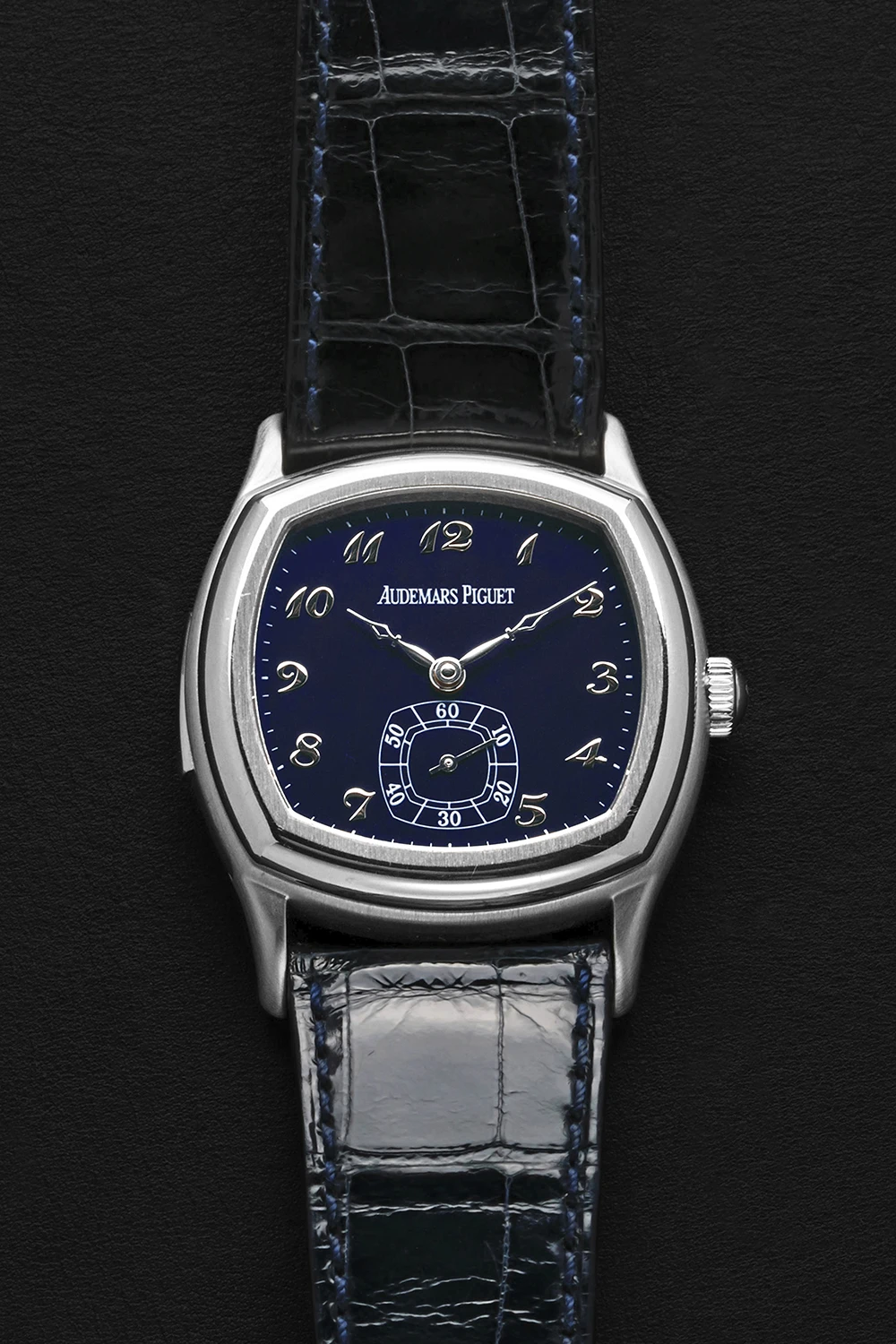
Minute repeaters are undoubtedly among the rarest Audemars Piguet watches. This Répétition Minutes John Schaeffer is for those who want to explore the extremely fascinating period of Audemars Piguet watchmaking in the second half of the 1990s. This history was brief, (lasting only about five years), and during that short period of time, many beautiful designs were created, including this Répétition Minutes John Schaeffer Ref. 25760PT in platinum with an attractive dark blue dial with “cathedral” hour and minute hands and applied Arabic Breguet numerals. The undisputed advantage of this watch is the combination of the outstanding caliber 2866, one of the smallest and finest repeater movements of all time, with the outstanding aesthetics of its historically rooted Art Deco watch design.
ABOUT THIS WATCH
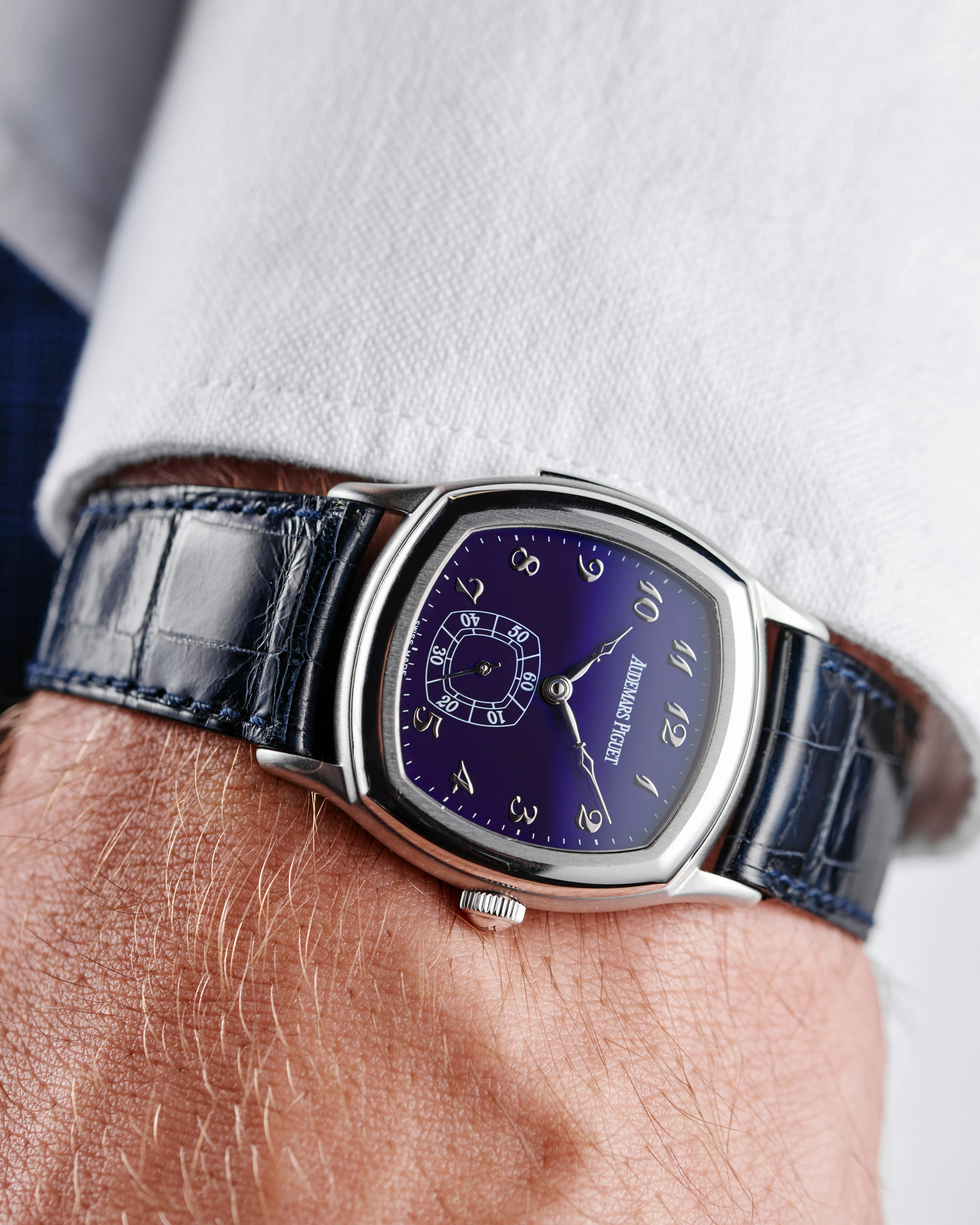
We consider this watch to be a great classic from the renowned watch brand and one of its most beautiful designs. The dark blue dial is paired with “cathedral” hour and minute hands and applied Arabic Breguet numerals, which form a harmonious combination with the cushion-shaped platinum case. The size of 34 x 34 mm is modest in today’s trend to increase the size of wristwatches to 40 mm and above, but such a case in precious solid platinum is a fitting testament to the skill of Audemars Piguet and its manufacturing partner Renaud et Papi in developing and assembling very compact minute repeaters, one of the marvels of modern watchmaking. It should also be mentioned that Audemars Piguet does not reject the use of platinum in repeater watches, even if platinum as an acoustic material in a watch case results in a loss of sound volume. The brand does not see this as a disadvantage, but rather regards the platinum case as a kind of acoustic filter that blocks out parts of the acoustic spectrum, leaving those that produce the most pleasant sound for the human ear.
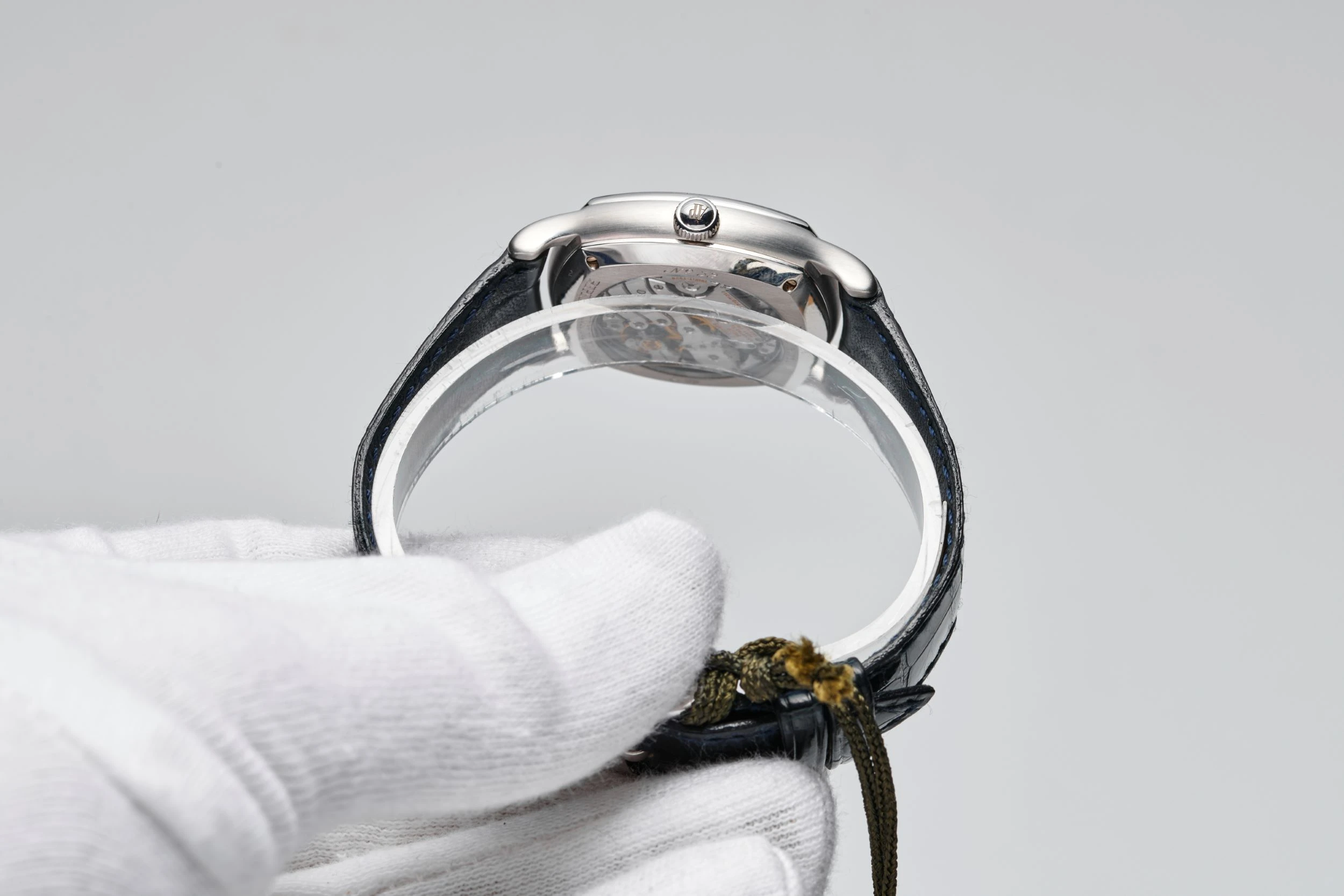
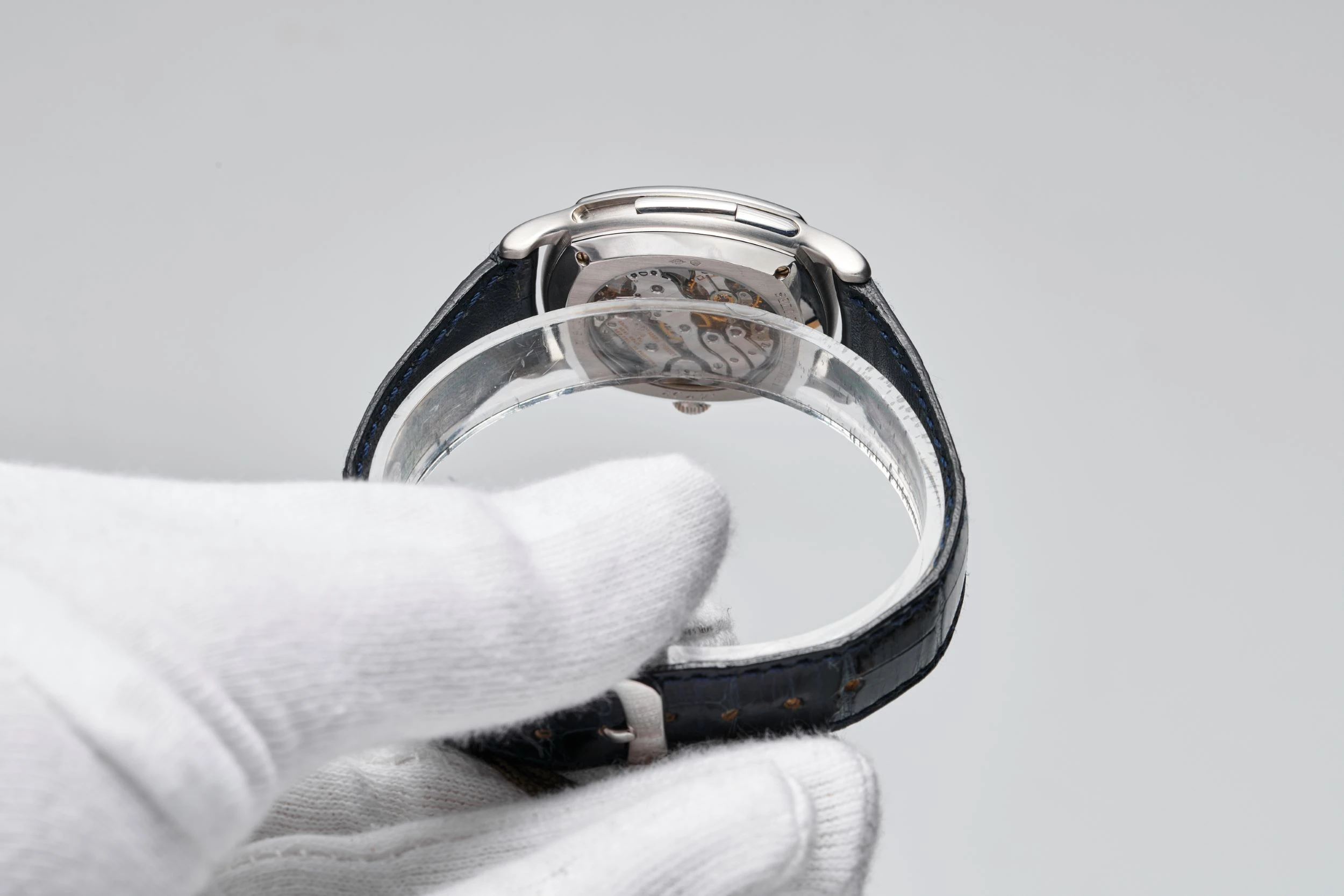
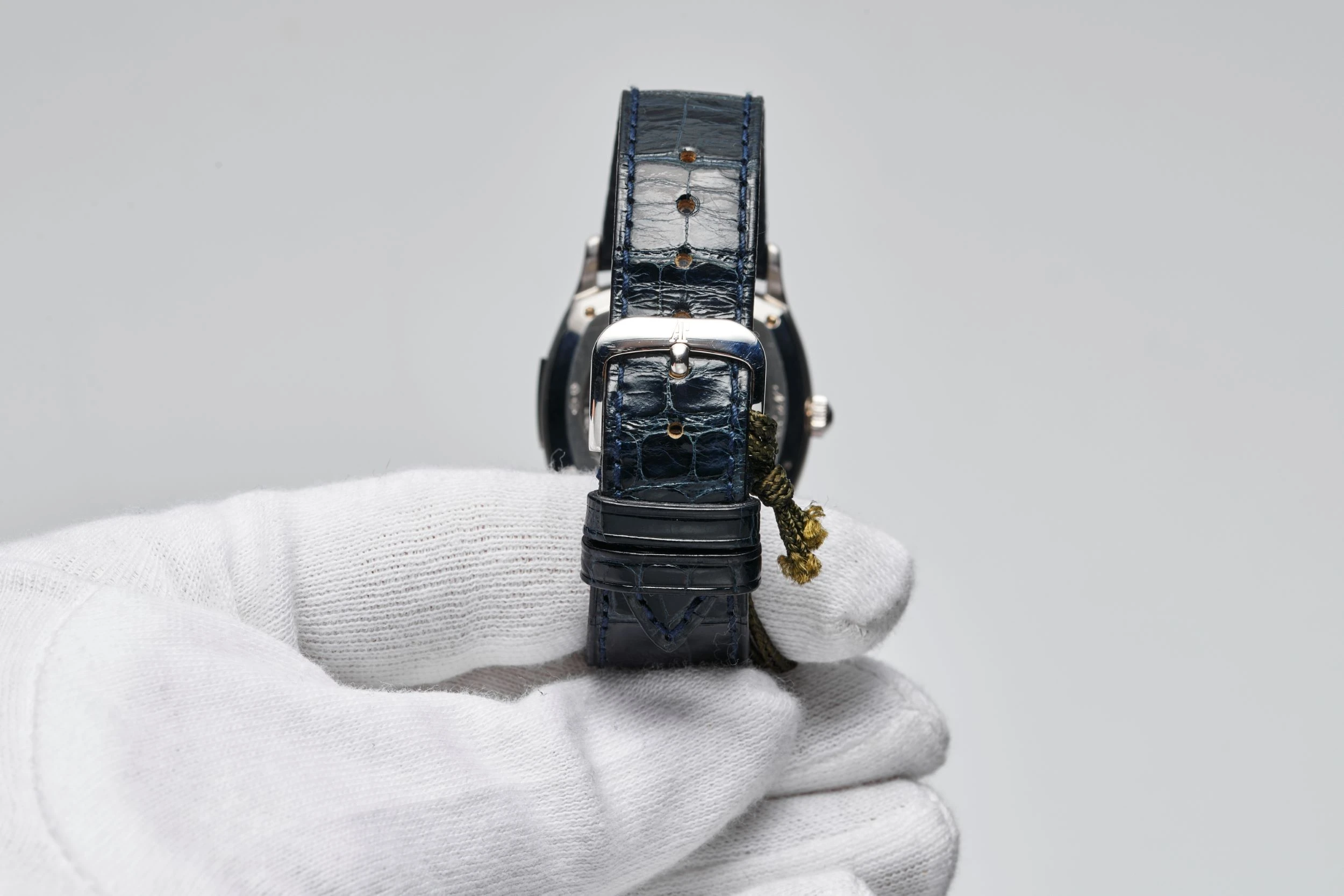
The minute repeater is an incredibly complicated movement, one of the pinnacles of traditional watchmaking. Audemars Piguet belongs to the small circle of watchmakers who produce shaped wristwatches with a minute repeater, cushion-shaped or rectangular, while most brands prefer watches with a round case. The workings of this highly complicated mechanism can be observed through the sapphire crystal caseback, while at the same time the owner of the watch can enjoy the view of the caliber of the traditional layout with excellent artisanal finishing of all parts. The final touch that completes the picture is the hand-engraved inscriptions on the edge of the platinum caseback.
Specifications
ADDITIONAL PHOTOS: